
5 Common Myths About Cavities
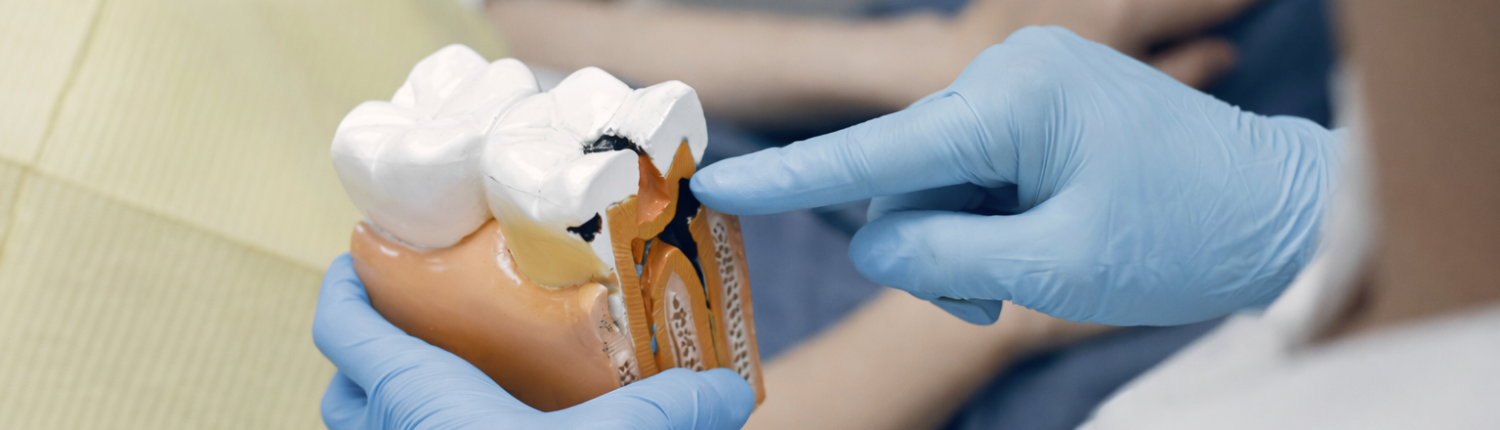
Cavities are incredibly common, but a lot of what people “know” about them just isn’t true. Busting these myths makes it much easier to protect your smile and avoid bigger dental problems down the road.
Key takeaways
· Cavities often do not hurt until they are advanced, which is why regular dental checkups are essential.
· Sugar is not the only cause of cavities; frequent snacking, acidic drinks, and poor hygiene all increase your risk.
· Baby teeth matter, and early prevention and treatment protect both your child’s comfort now and their adult smile later.
Myth 1: “You’ll always feel a cavity”
Many people assume that if they don’t feel pain, there’s no problem, but cavities can grow quietly for a long time before they hurt. In the early stages, decay often affects only the outer enamel, which has no nerves, so you may not notice any symptoms at all.
By the time a cavity causes sensitivity or a toothache, it may already be deep enough to require more extensive treatment like a large filling, crown, or even a root canal. Regular checkups and X-rays let your dentist catch small cavities early, when they’re faster, easier, and less expensive to treat.
Myth 2: “Sugar is the only cause of cavities”
Sugar is a major player in tooth decay, but it’s not the only culprit. Cavity-causing bacteria feed on many kinds of carbohydrates, including foods like bread, crackers, pasta, and chips, and then produce acids that erode your enamel.
What matters most is how often teeth are exposed to these foods and how long the acids stay on the surface, not just how many sweets you eat at once. Frequent snacking, sipping sugary or acidic drinks throughout the day, and not brushing or flossing regularly all increase your risk, even if you “don’t eat much candy.
Myth 3: “Cavities in baby teeth don’t matter”
It’s easy to think baby teeth are “practice teeth,” but they play a crucial role in speech, nutrition, and holding space for the permanent teeth. When baby teeth develop cavities, children can experience pain, difficulty eating, and infections that may affect their overall health.
Untreated decay in baby teeth can also spread, sometimes leading to early tooth loss, which can cause crowding or misalignment as adult teeth come in. Treating and preventing cavities early—often with cleanings, fluoride, and sealants—helps set kids up for a lifetime of better oral health habits.
Myth 4: “If I brush, I don’t need the dentist”
Brushing and flossing at home are essential, but they’re not a complete substitute for professional care. Even with excellent home hygiene, plaque can harden into tartar in areas a toothbrush and floss can’t fully reach, especially around the gumline and between teeth.
Professional cleanings remove this buildup and reduce your risk of cavities and gum disease, while exams and X-rays help your dentist spot tiny problems long before you can see or feel them. Think of your routine visits as preventive maintenance—small, regular tune-ups that help you avoid bigger, more costly repairs later.
Myth 5: “Once you have a cavity, the tooth is ruined”
A cavity does mean part of the tooth has been permanently damaged, but that doesn’t mean the tooth is “done for.” Modern fillings, inlays, onlays, and crowns can restore both strength and appearance, allowing you to chew comfortably and smile confidently.
When decay is caught early, a conservative filling is often all you need, and treating it promptly stops the cavity from spreading deeper into the tooth. Even in more advanced cases, treatments like root canal therapy and custom crowns can often save a tooth that might otherwise be lost.
Ready to get ahead of cavities?
If you’re wondering whether a spot, twinge, or old filling might be turning into a cavity, our team at Northwest Dental in Omaha is here to help. We offer prevention-focused checkups, comfortable cleanings, and modern treatment options for the whole family—kids, teens, and adults alike. Schedule in minutes and enjoy a smooth, stress-free visit by booking online at northwestdentalomaha.com or calling our office at (402) 572-7677.